Cognichip
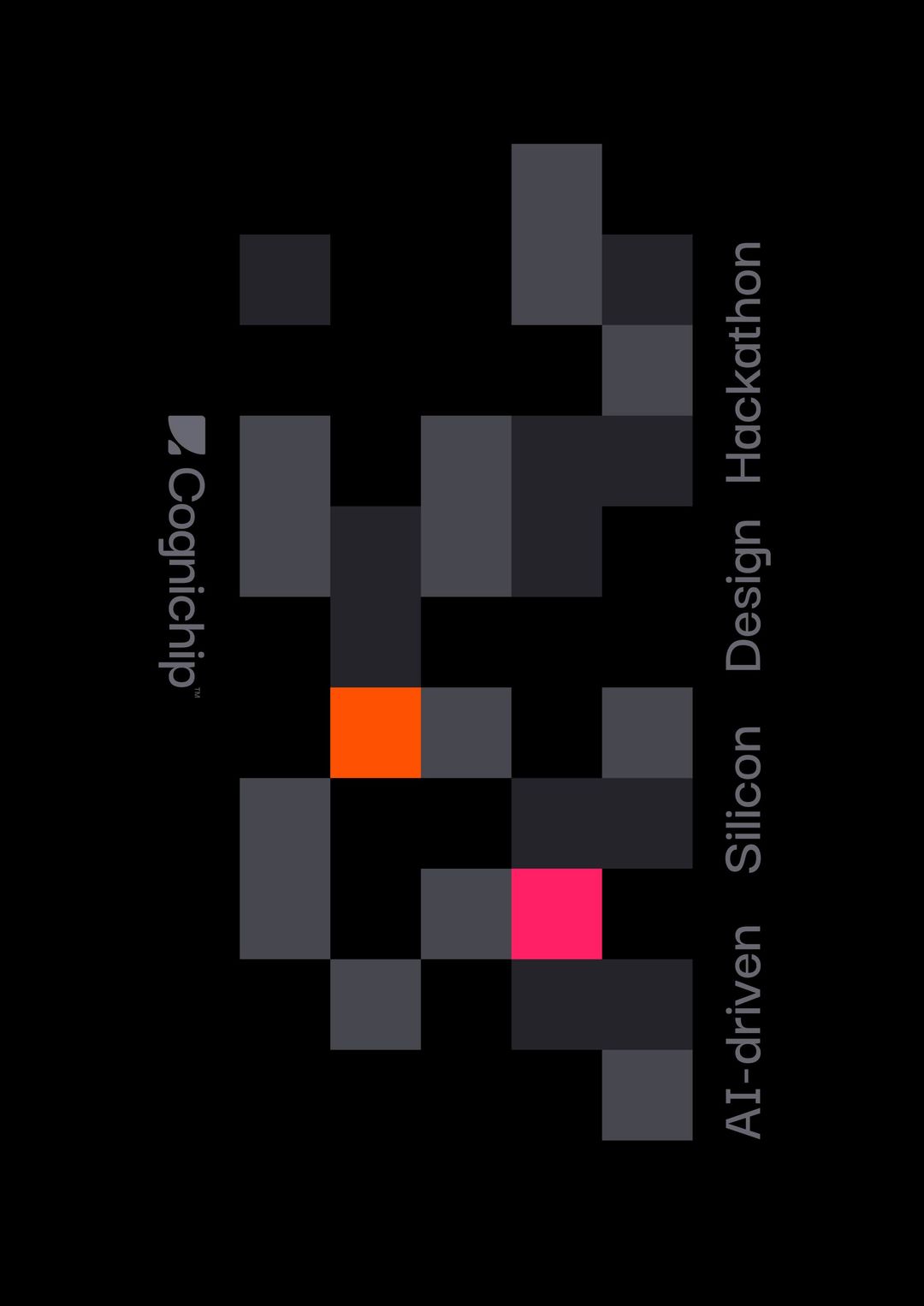
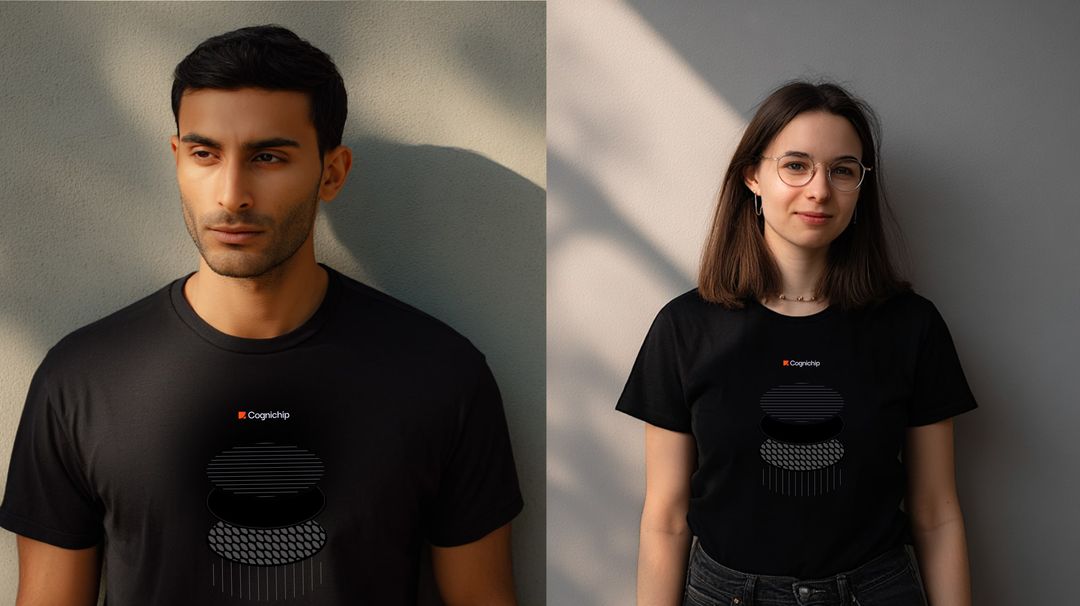
Cognichip is the first to debut Artificial Chip Intelligence (ACI®), a foundation model that understands, learns, and solves chip design problems with designer-level collaboration. Liquid-hardware brand, generative launch cinema, agent surfaces for RTL/UVM — product + brand as one system from the start.
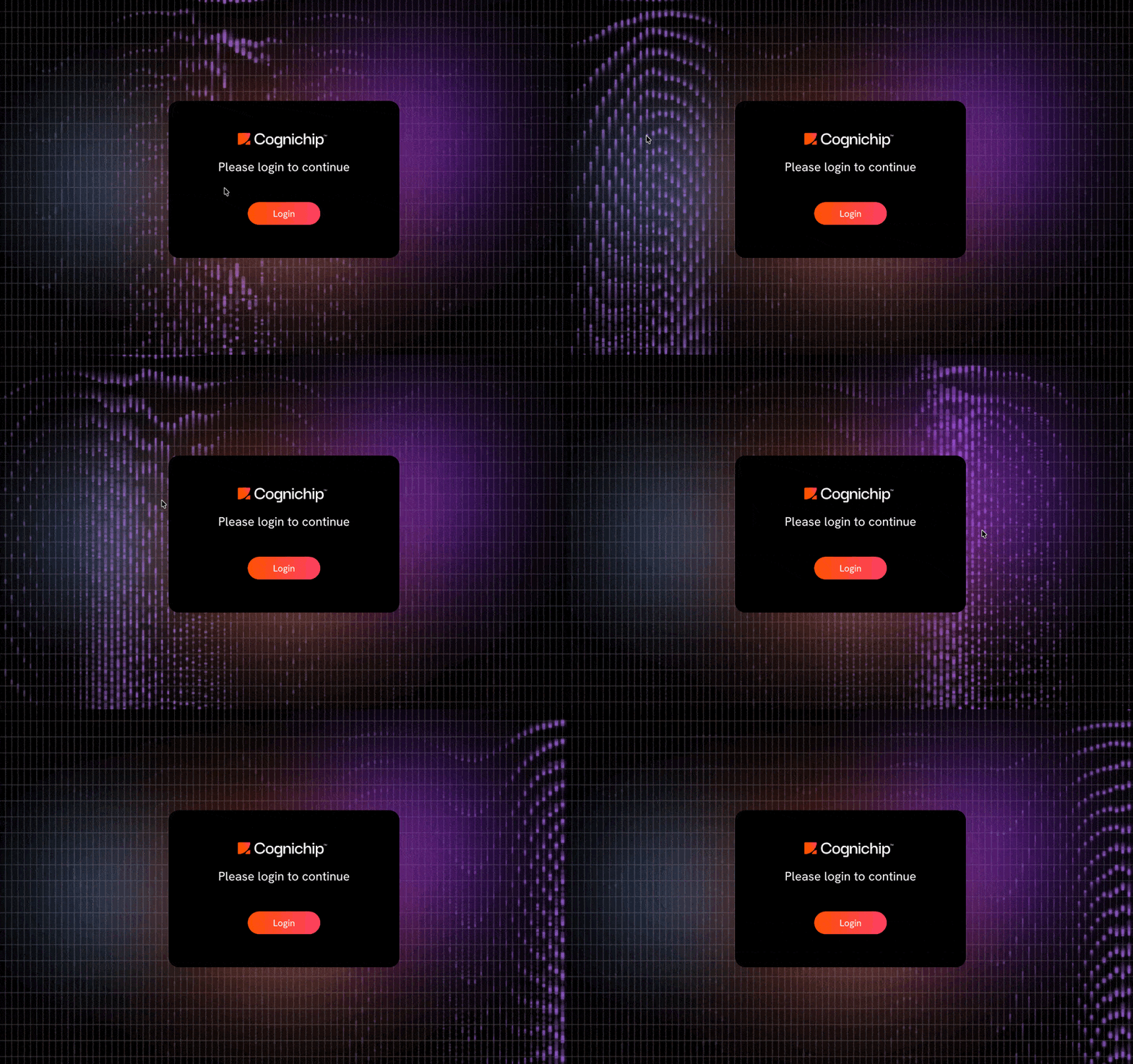
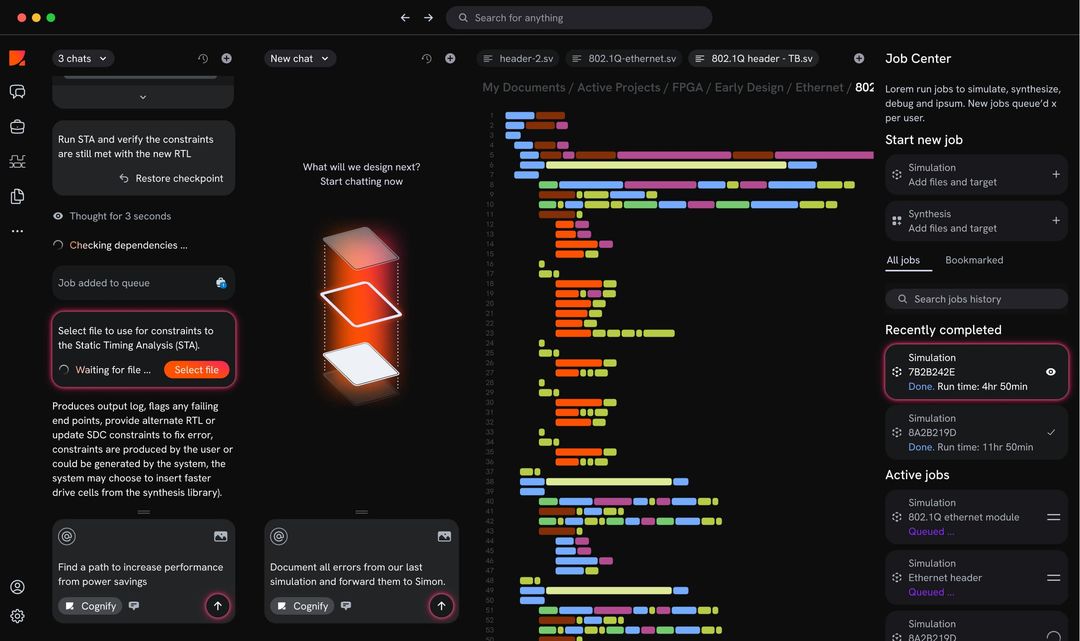
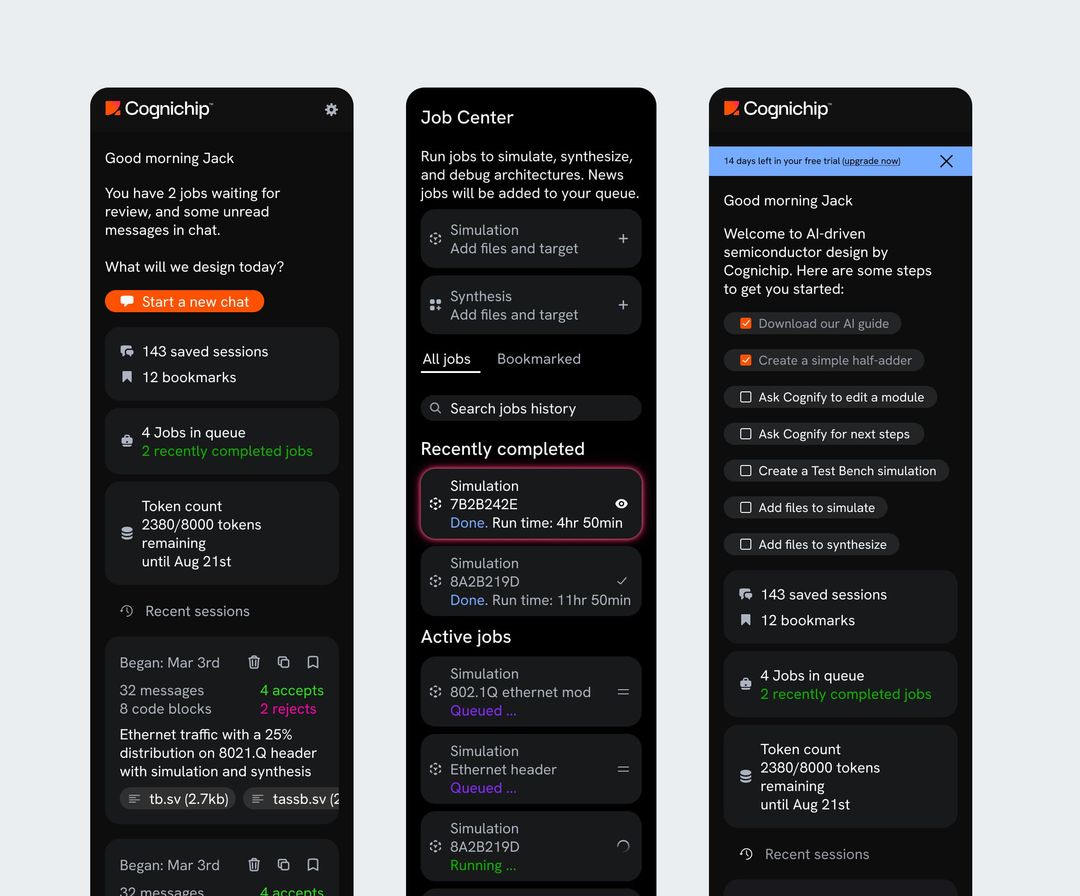
I joined at seed as Head of Design — the first designer — and own product, brand, and system from zero to one. Logo and website for public launch, then the AI-driven design application from scratch: chat and agentic UI for chip collaboration. Directed the launch film from generative AI, end to end. When identity and product share one design engine, every agent pane still looks like Cognichip.
Today's stack
As the first designer, I own product and brand end to end, and I run both as one pipeline rather than a pile of tools. Every bet starts as a problem with an outcome attached, not a feature: an engineer recovers from a failed synthesis run without leaving the agent pane. Claude clusters notes from engineer sessions and support threads into opportunities with the quotes attached. I write the riskiest assumption next to each one, such as whether a hardware engineer will accept an agent's proposed constraint fix without seeing the diff. That assumption is what the prototype has to answer.
Exploration starts as text. I write the flow as an agent-turn script: the user's ask, the plan the agent streams back, the tool calls, every failure branch. Figma Make turns the script into rough layouts. I keep two or three and rebuild the survivor in Cursor against the production React components. Through Figma's MCP server and Code Connect, the agent writes with our real components and tokens instead of guessing. Sometimes I skip the layout pass and go straight to code in Cursor — I sketch the interaction in the real components first, then sync it back into Figma through the MCP so the file stays the lasting record for documentation, posterity, and any round-trip with Figma-first work. Code-first is often the stronger path when the question is behavior, not composition. The interactions are concrete. The agent shows its plan before it acts. RTL and constraint changes land as a diff you accept or reject chunk by chunk. A "show its work" trace collapses to one line. Stop is always one key away. When a constraint is missing, the copilot asks one specific question instead of hallucinating a default, and it hands off to a human reviewer when it's out of its depth.
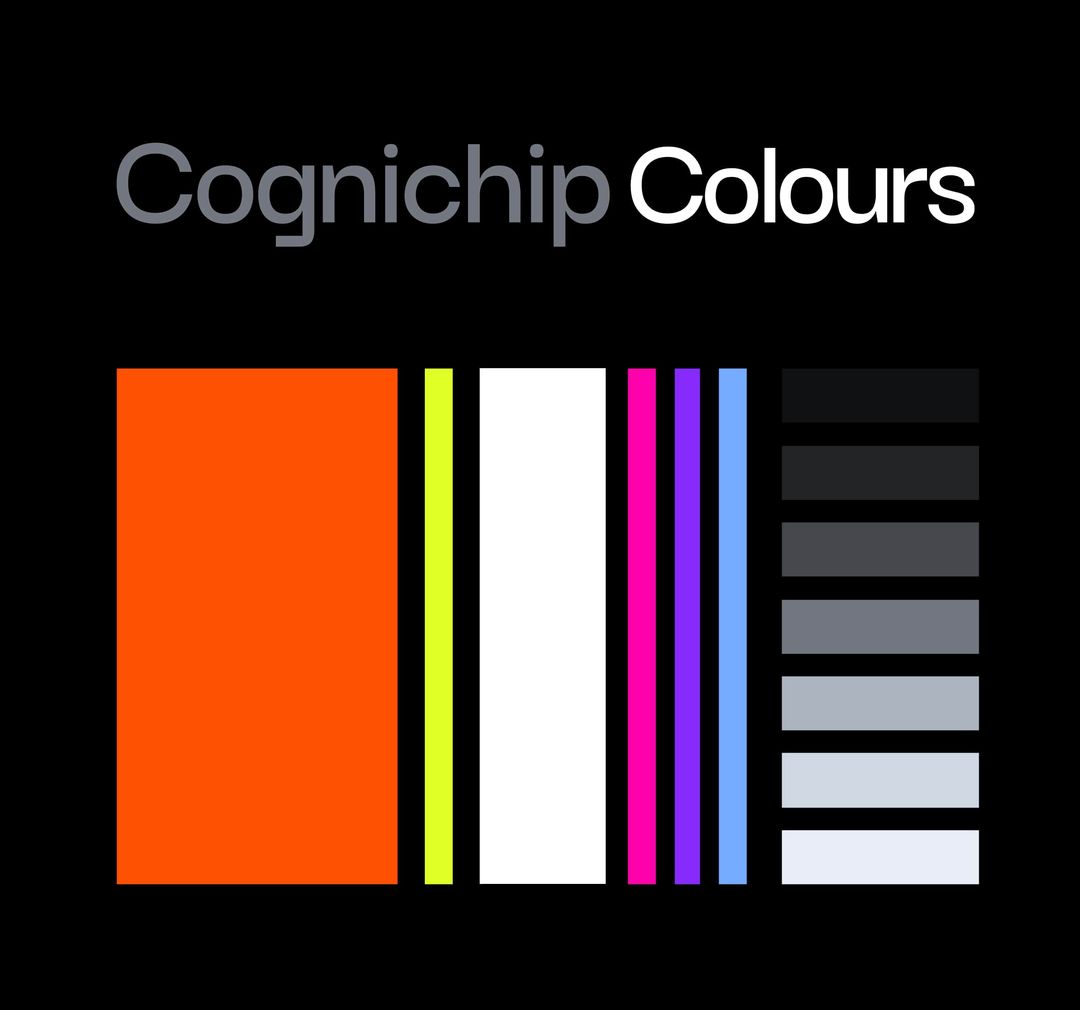
Critique is automated before it's personal. I run the copilot through scripted failure cases (RTL won't compile, conflicting clock specs, a missing pin map) and score the transcripts against a voice-and-honesty rubric. Then I put the best candidate in front of engineers. Decisions live in Linear next to the ticket that ships them, each with a rule for what evidence would make us stop, revise, or scale. Tokens are versioned once in JSON and feed both Figma variables and the CSS, so a spacing or color change ships as a reviewable diff instead of a redline. That is what agentic UX means here: designing the moments of failure, uncertainty, and handoff, then shipping and measuring them.
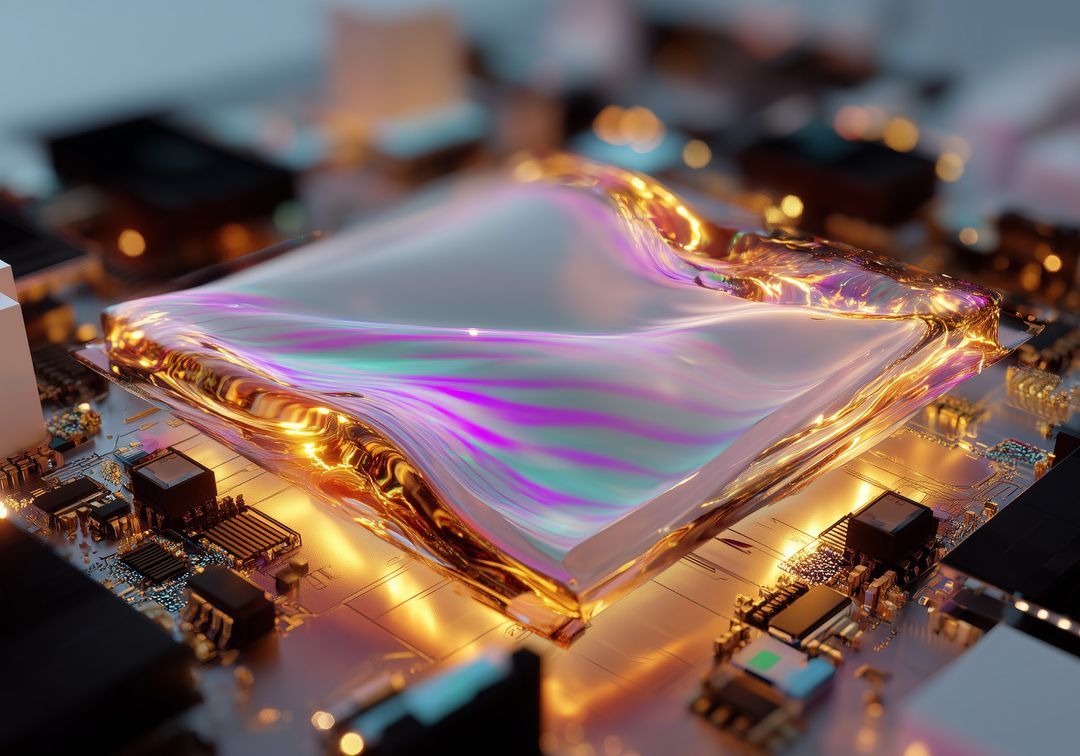
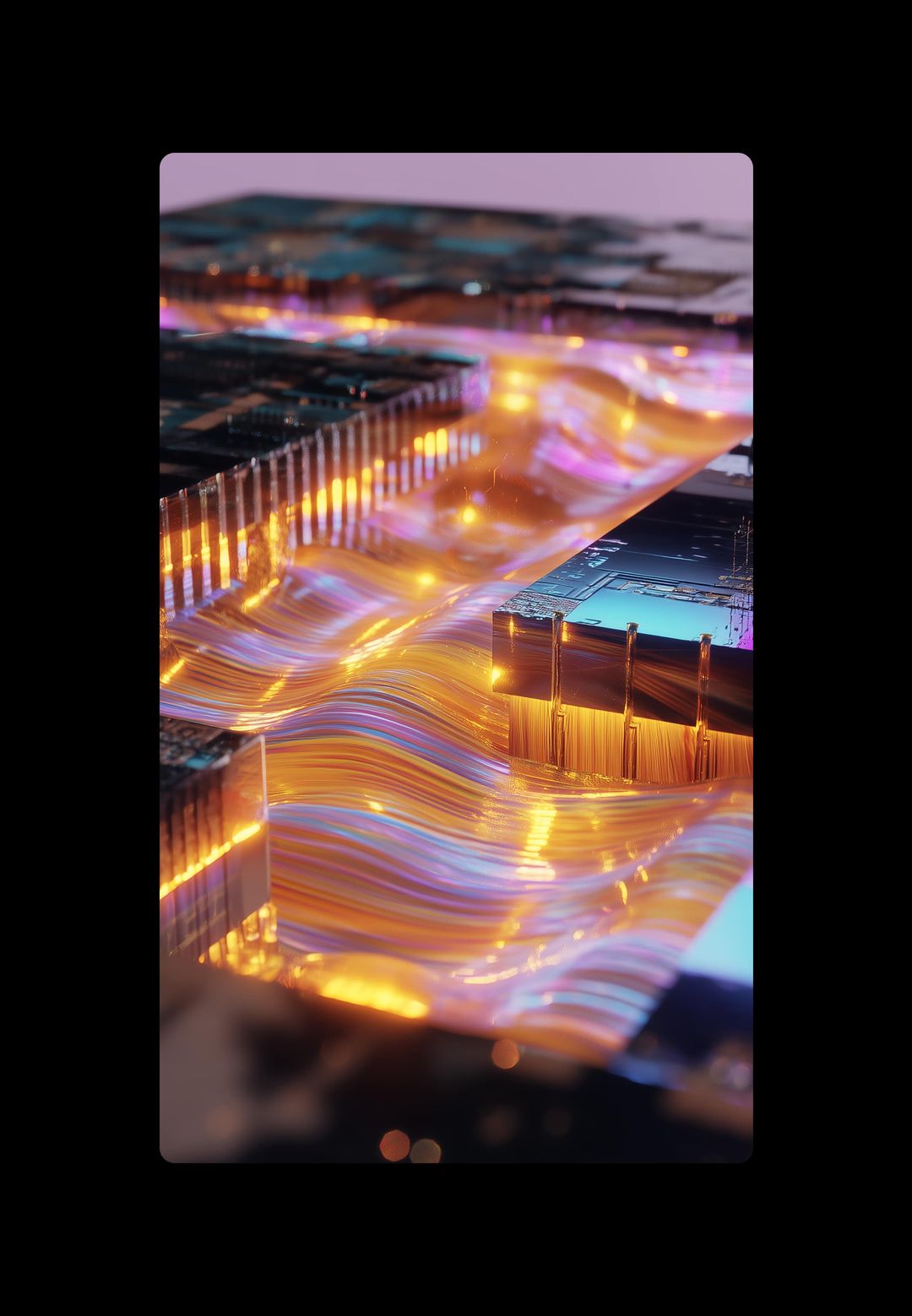
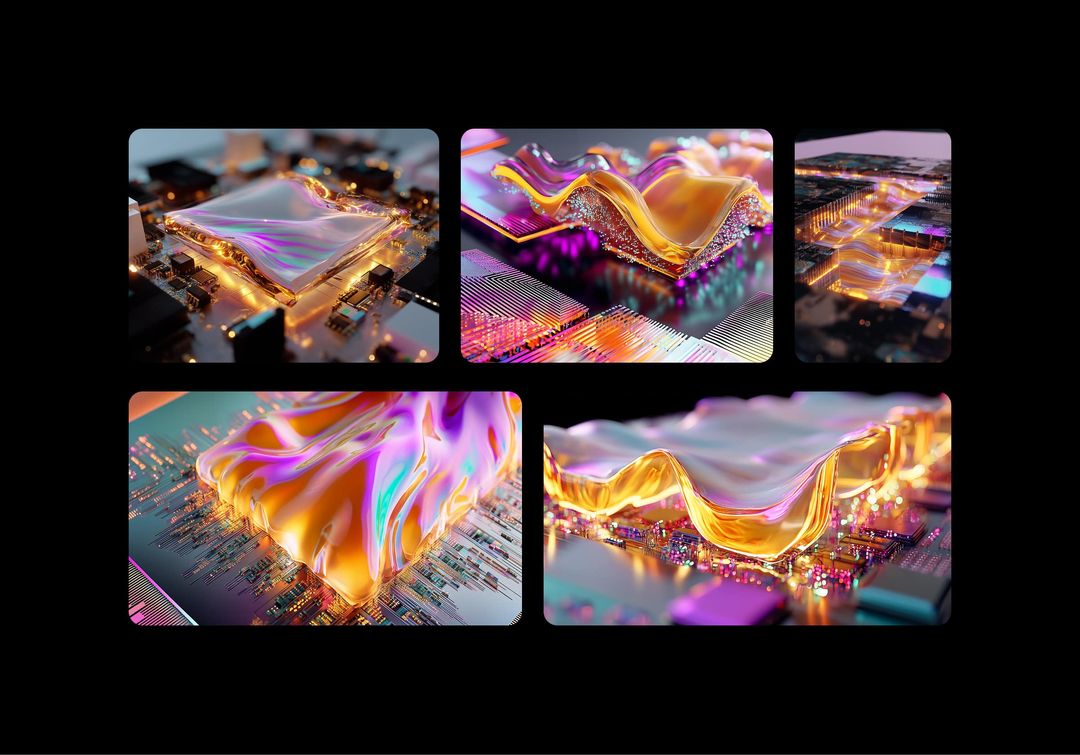
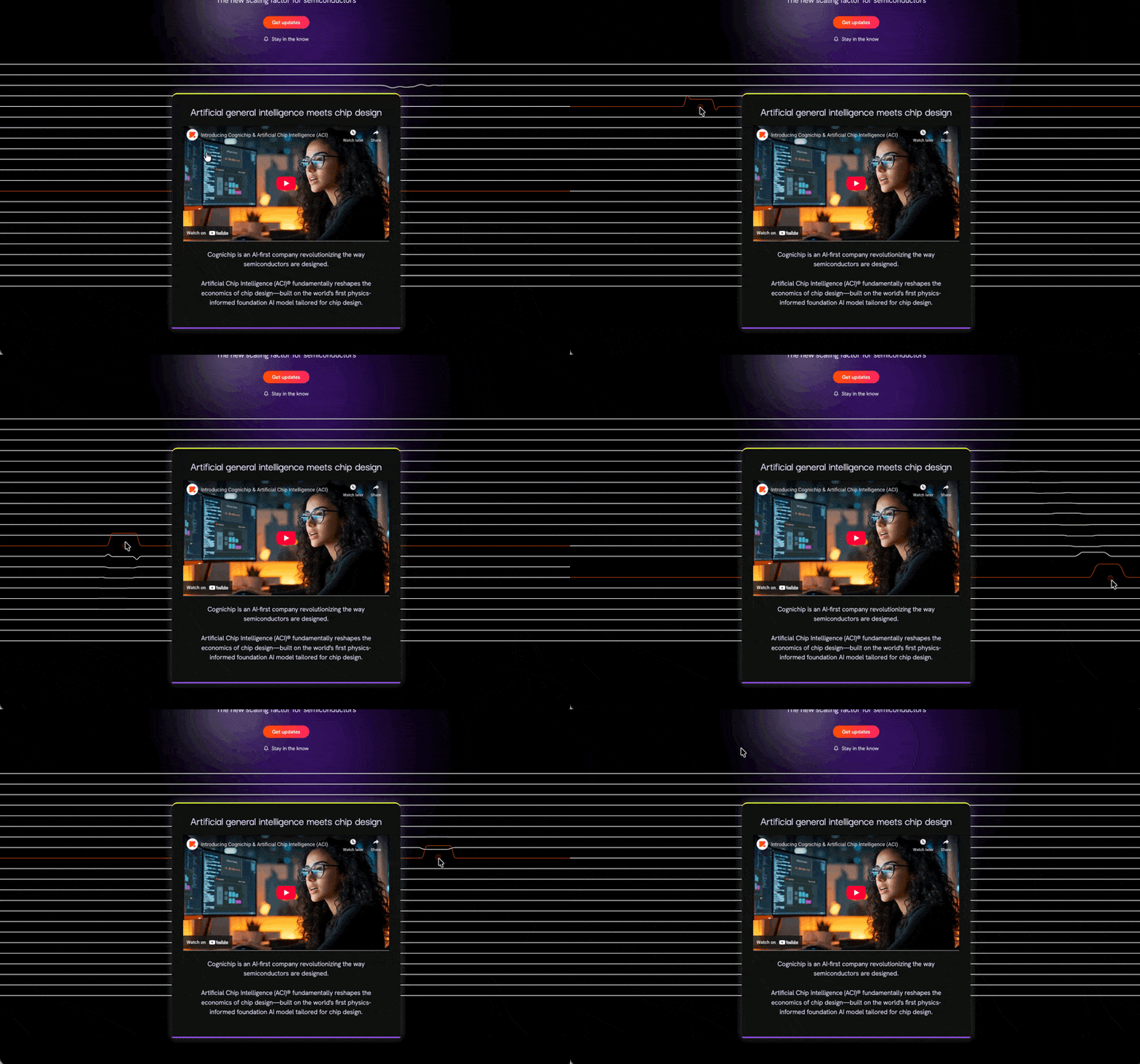
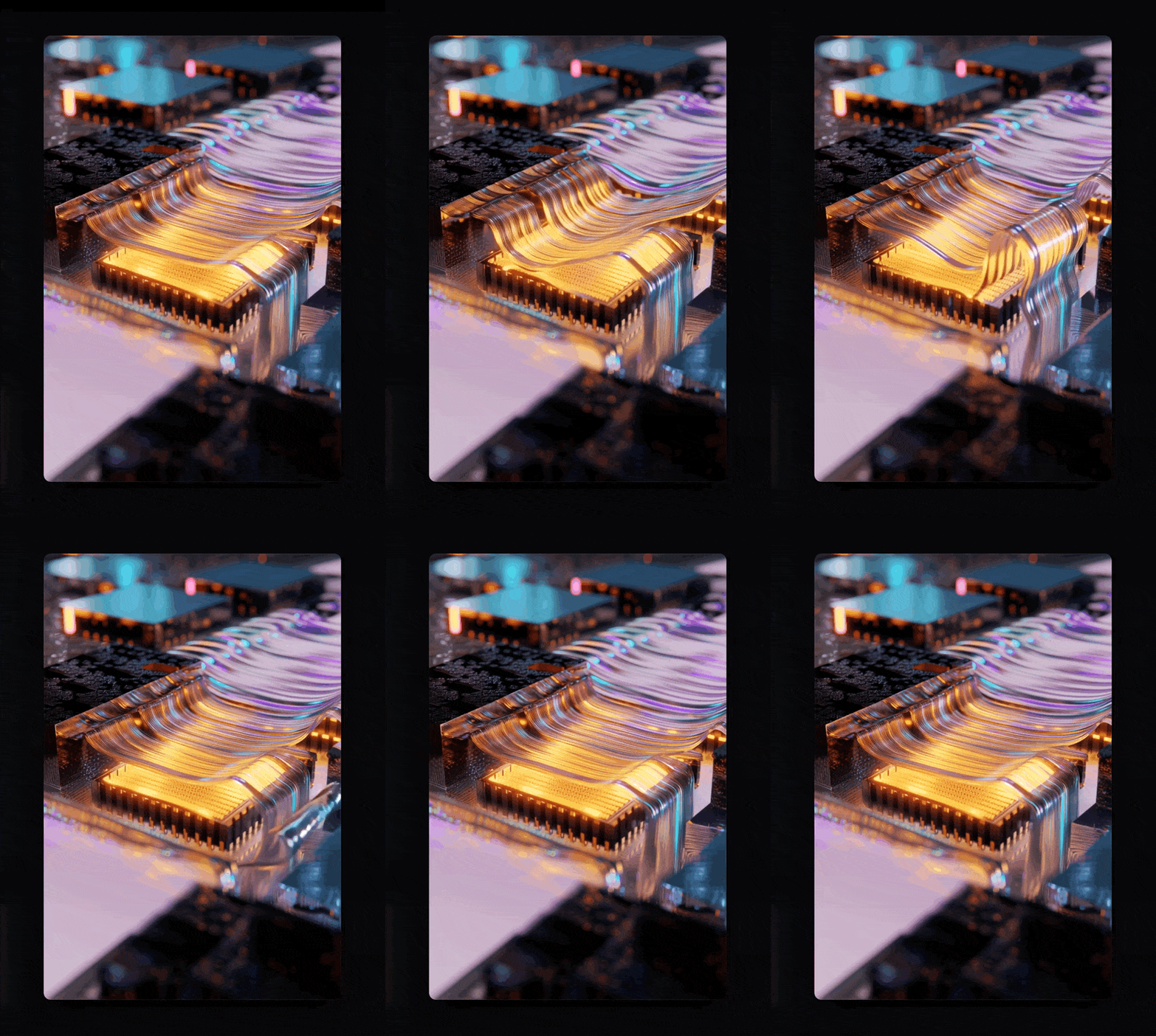
Brand world. Positioning pillars become a prompt library, and the world of Artificial Chip Intelligence gets discovered as story before it becomes a lookbook. Midjourney sets up liquid-hardware stills against shared lighting logic — warm, directional, a little dreamy — so every frame feels like it belongs to the same company. Each character carries a per-character accent color and recurring environmental cues: amber-lit offices read as aspirational and dreamy, the places where hard problems get solved with room to breathe. Named characters carry the immersive Cognichip world across geographies: Greg, Mina, and Satoshi are in, plus clear placeholders for characters still to be named — [Korean — name TBD], [Japanese — name TBD], [Arabic — name TBD], and [American — name TBD]. A character isn't just a face in a still — they're how the product shows up in a room, how a failed run looks from someone's desk, how a launch film feels like one continuous place. Kling and Seedance carry the chosen frames into motion for the launch film. Every shot is directed, then graded back to the identity before it's cut into site modules, a WebGL hero, and the social calendar. The site's information architecture follows the same messaging hierarchy as the product's empty states. Product and brand are one system at Cognichip, so a new agent pane, a site section, and a film still read as one company, because they come out of one 0→1 pipeline.
Time Range