UCSF Head and Neck Surgery
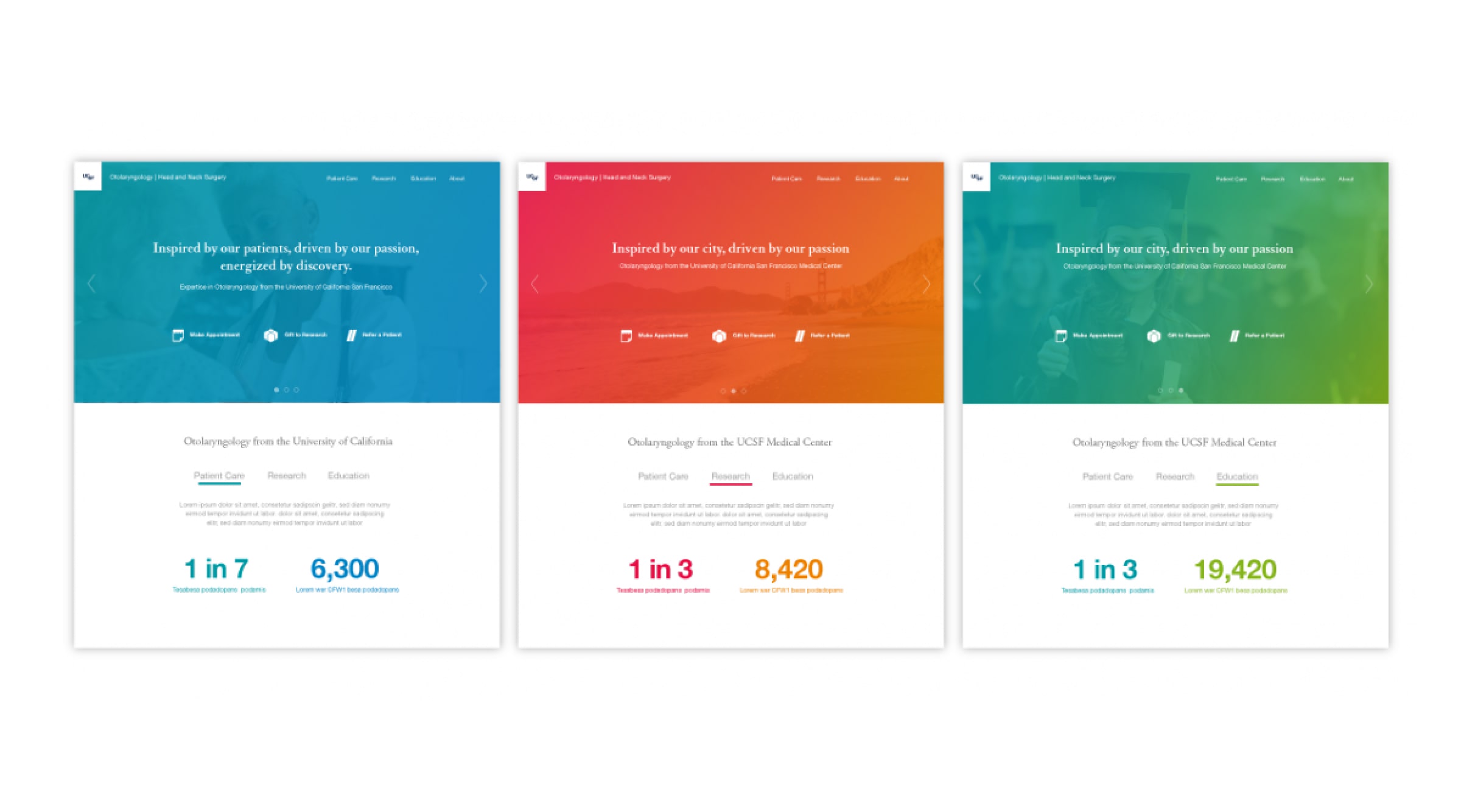
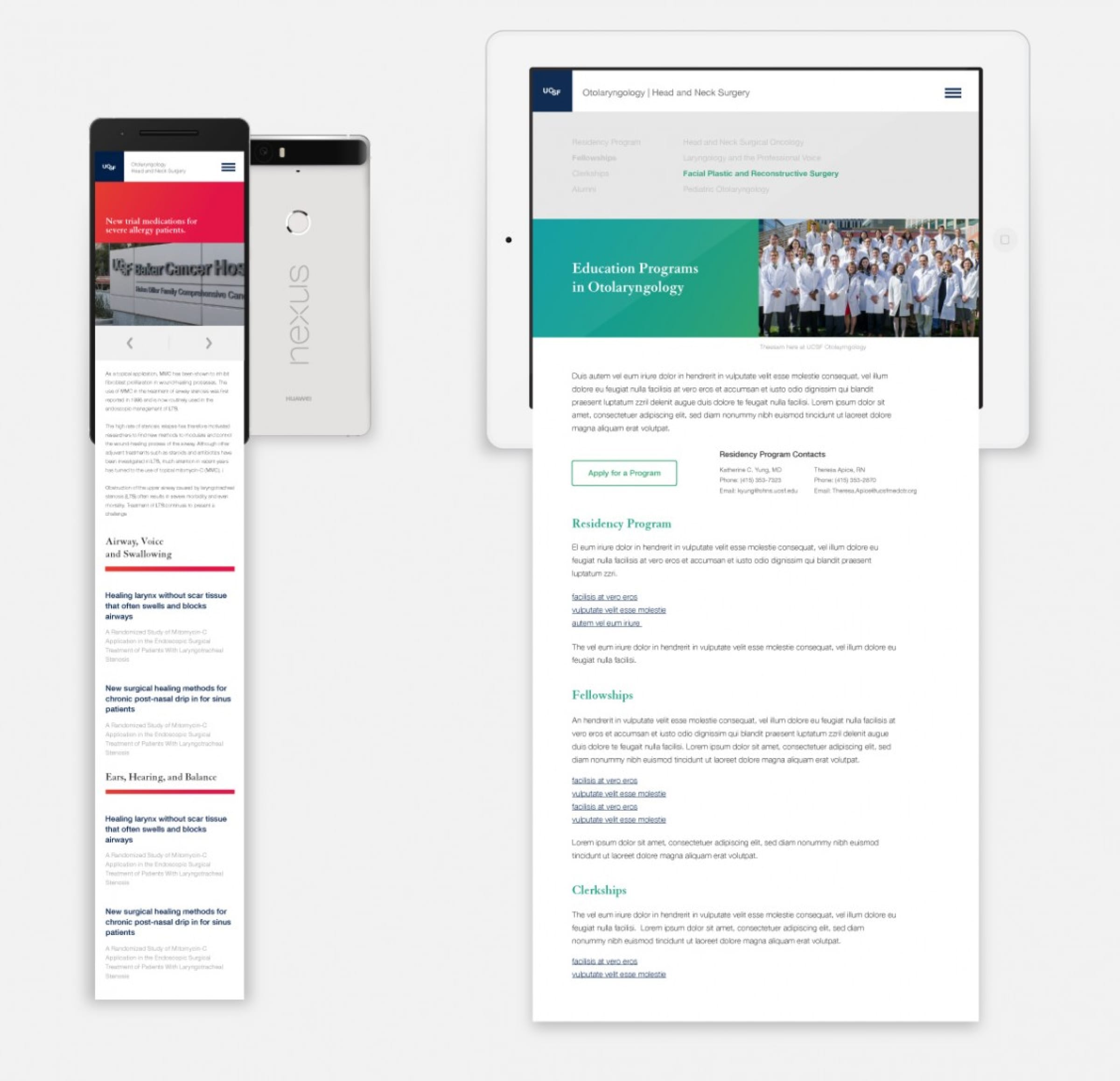
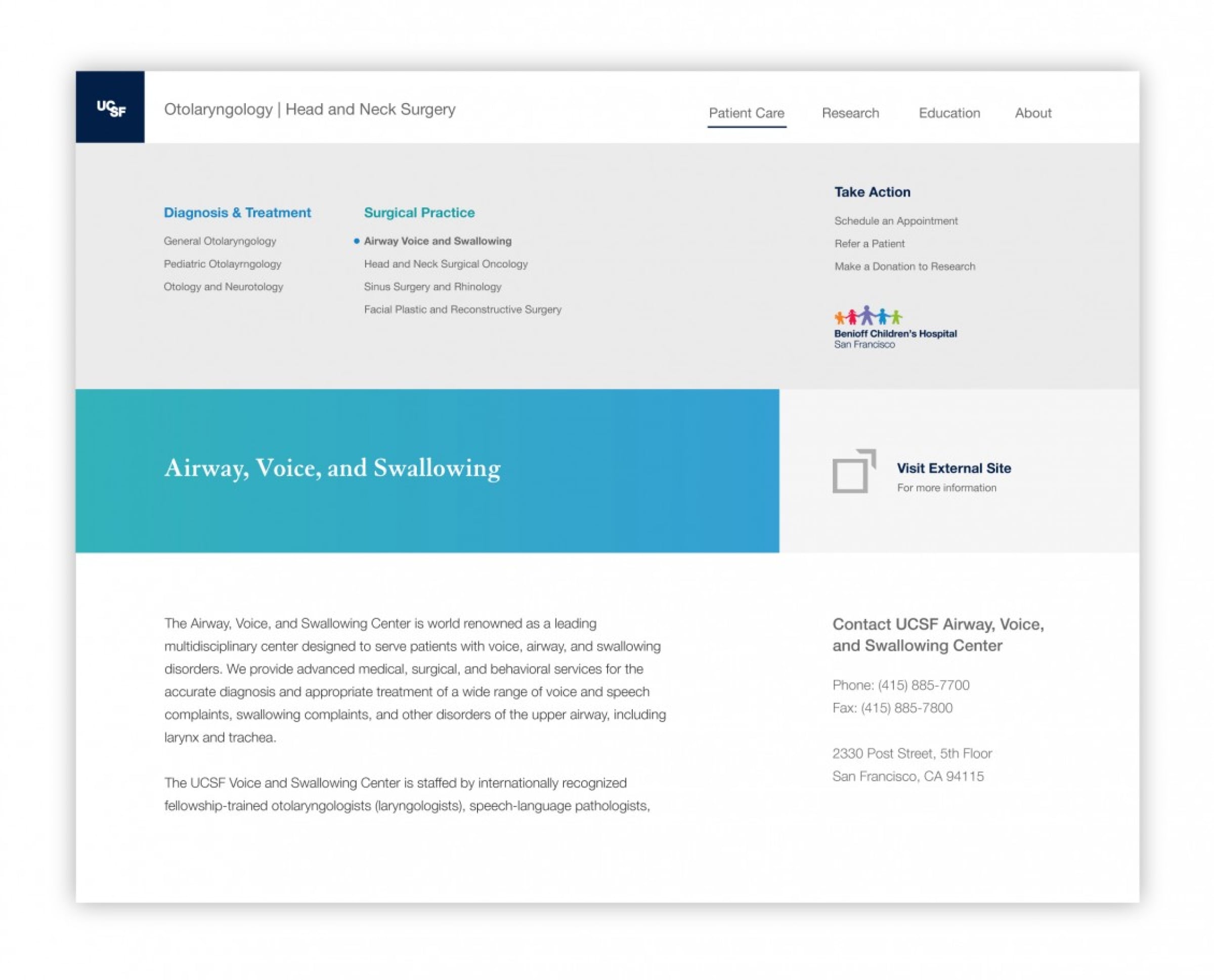
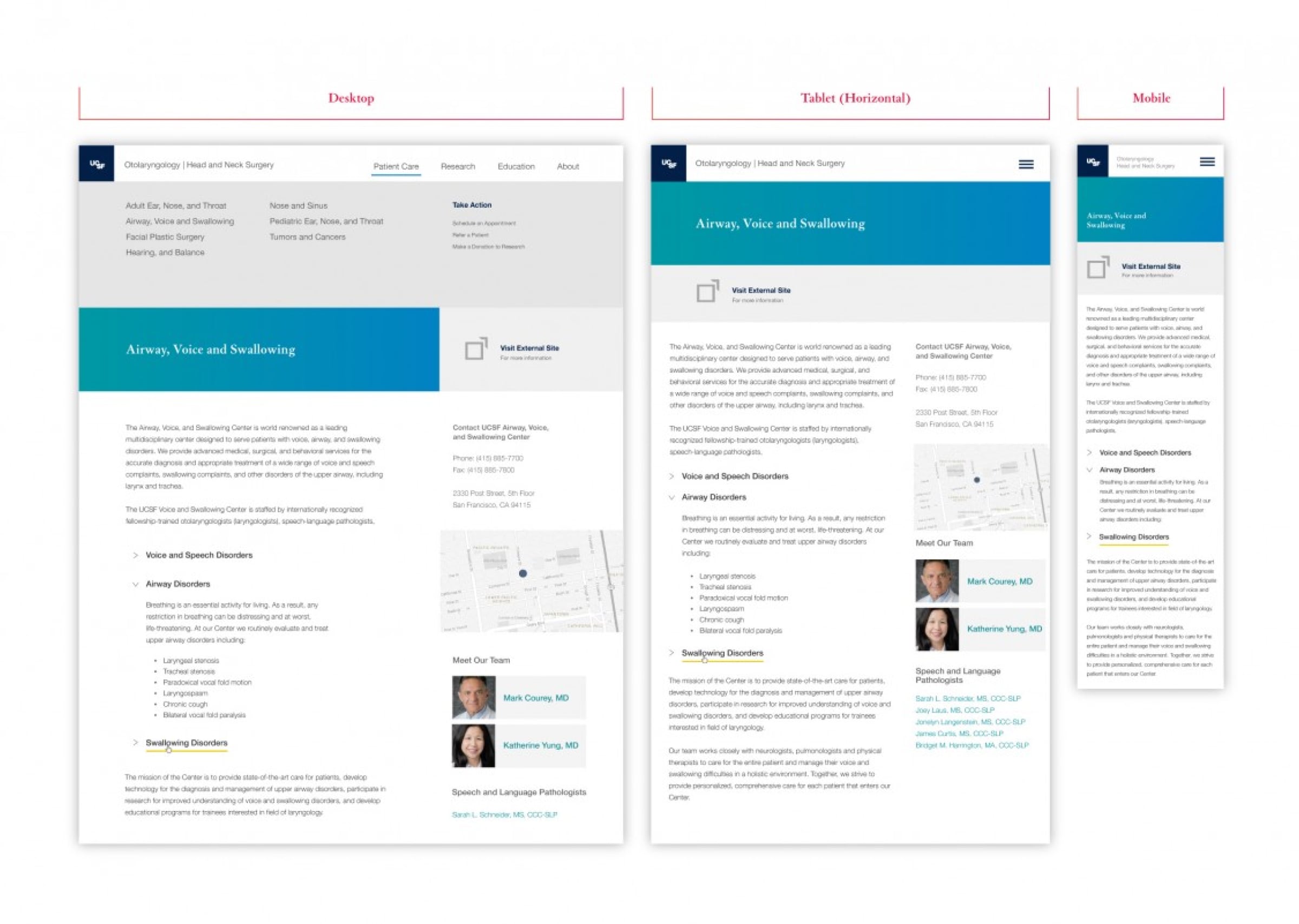
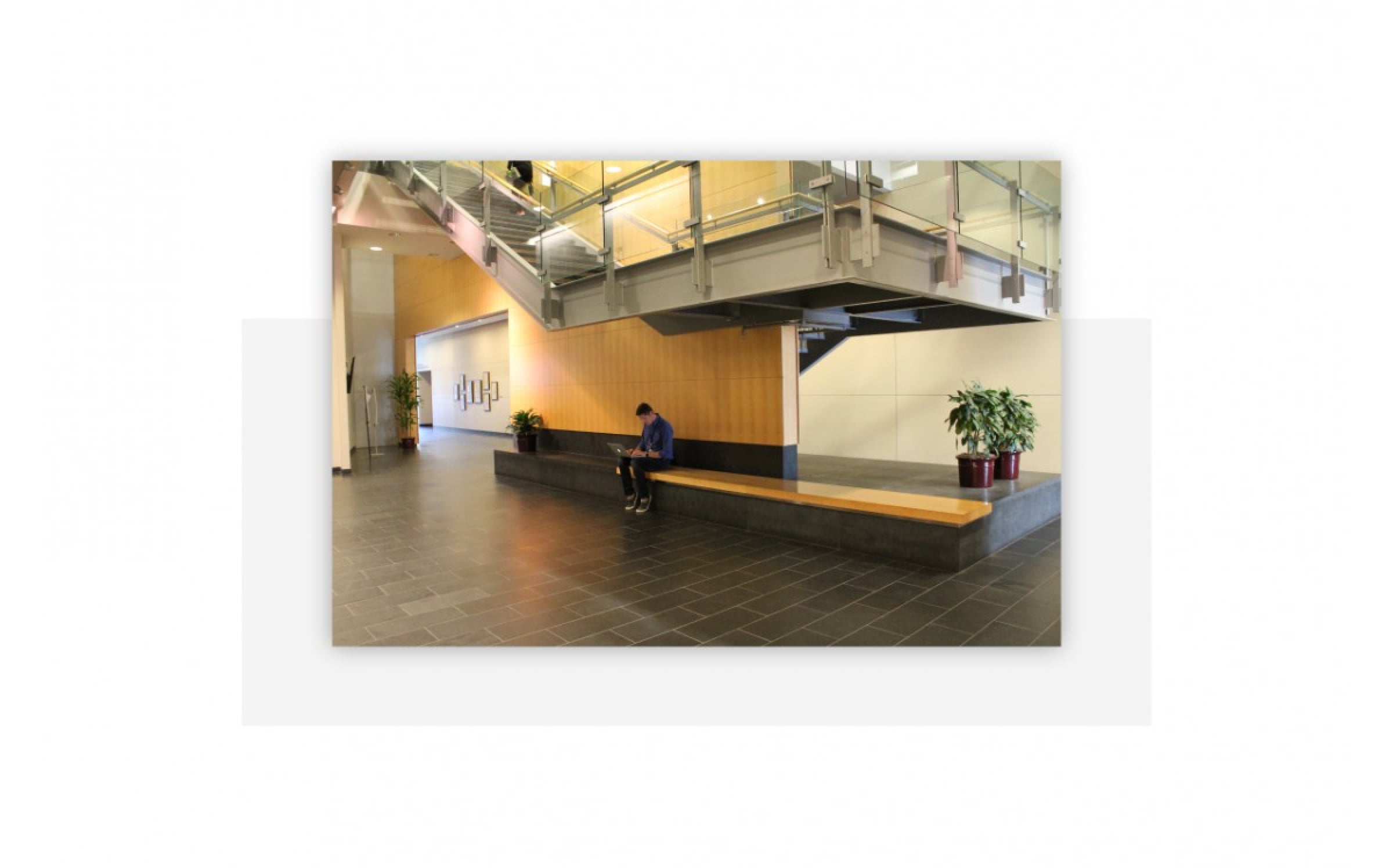
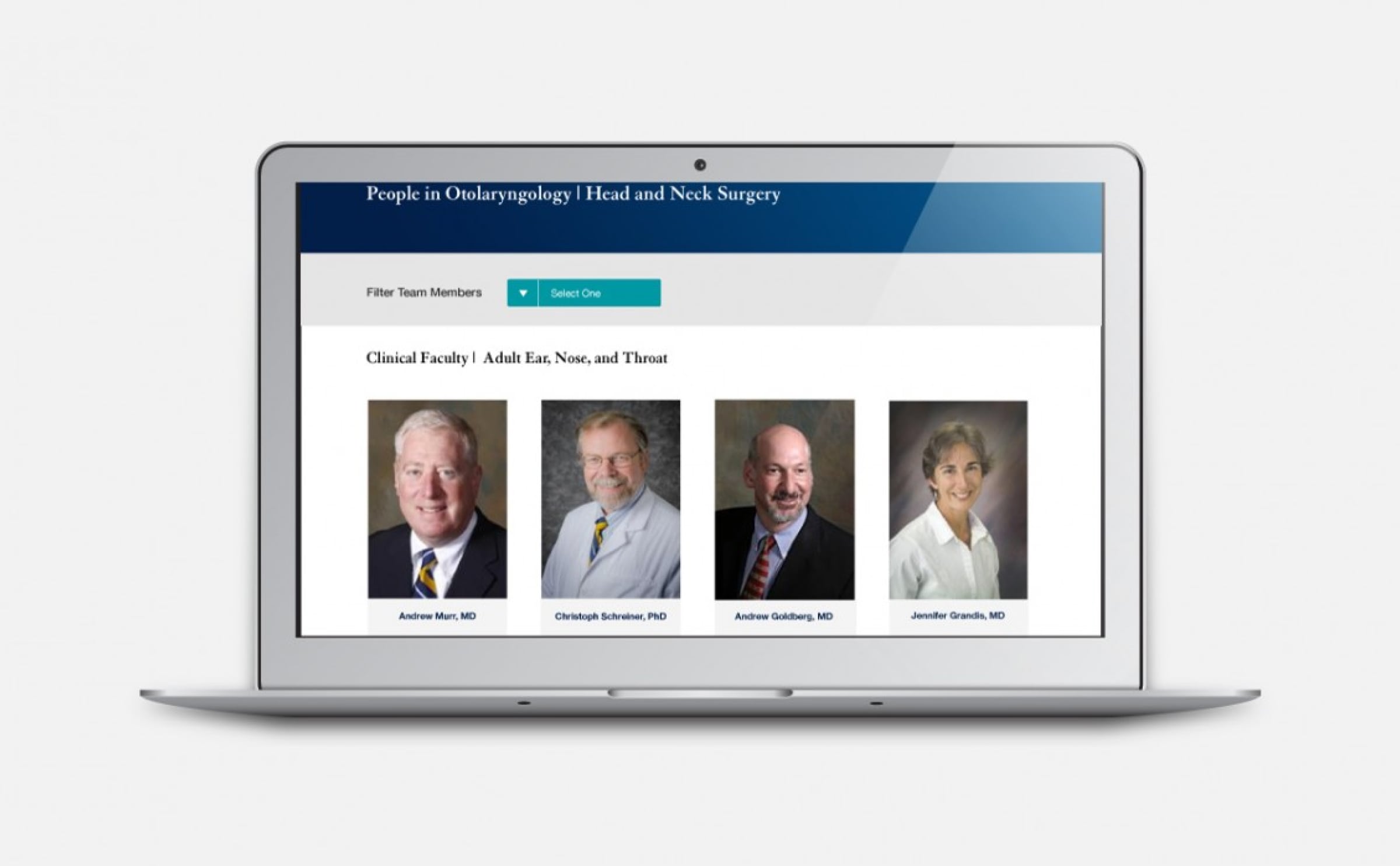
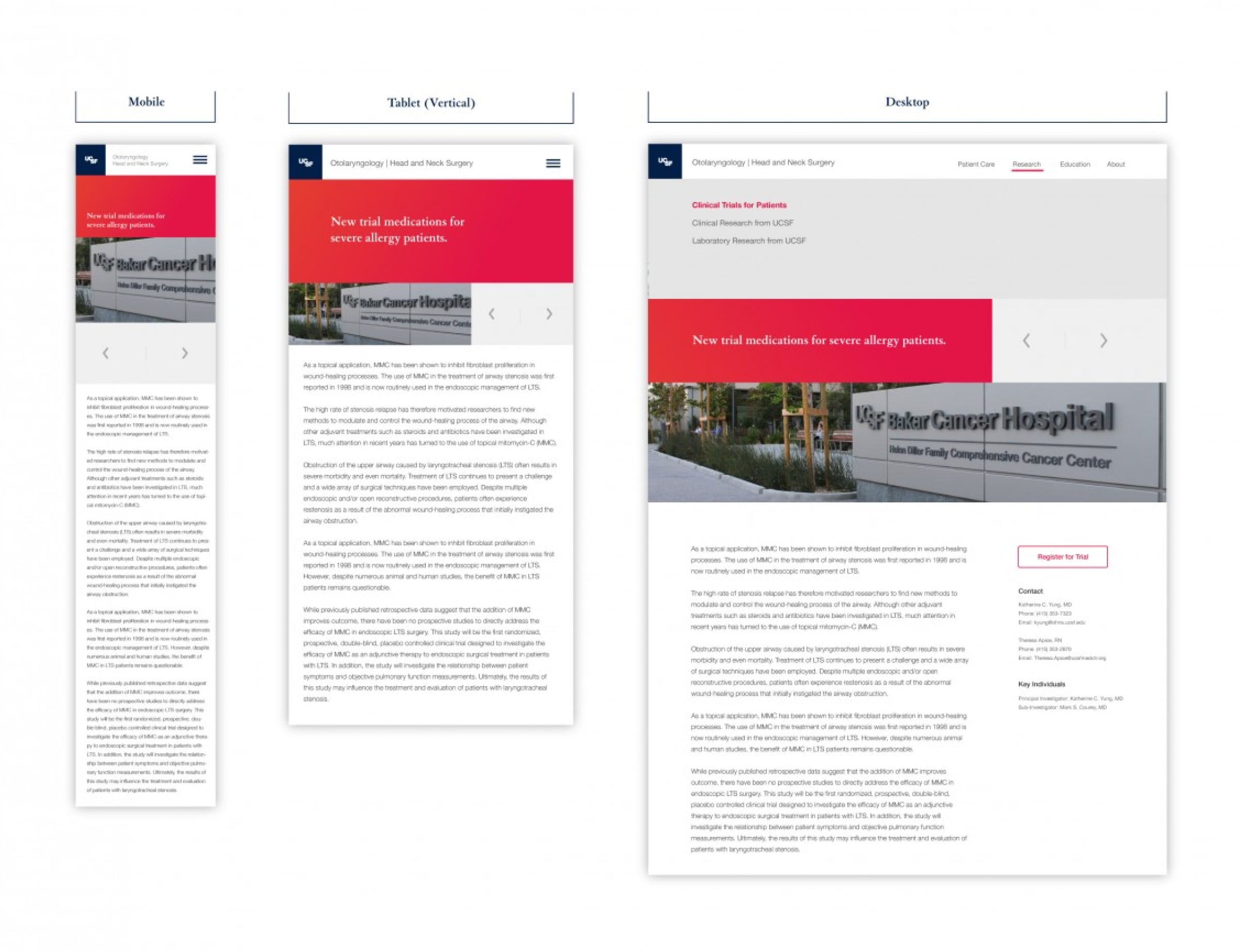
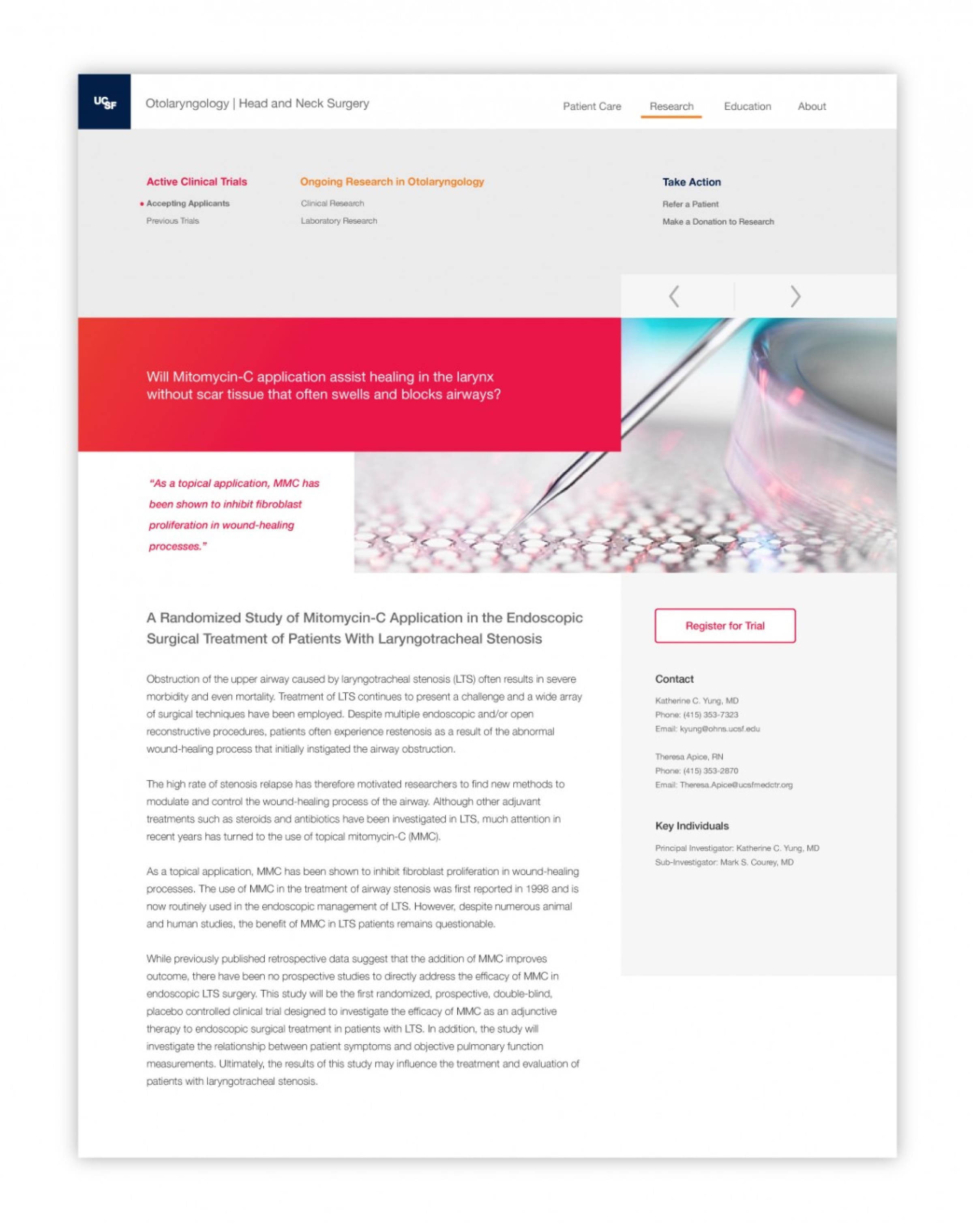
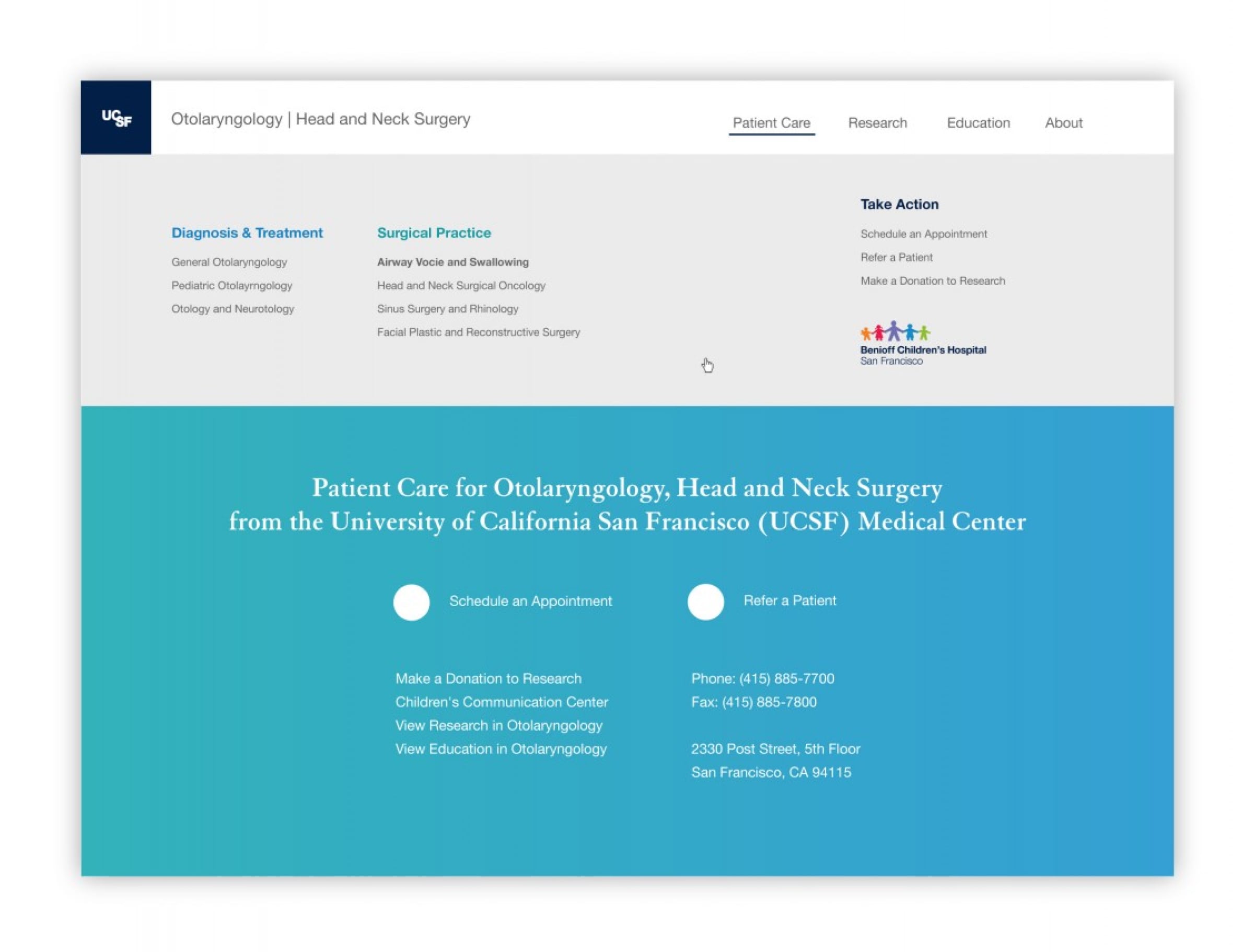
University medical sites are often visually flat and hard to navigate — especially for visitors unused to layered org charts. That was the opening challenge for UCSF Otolaryngology (Head and Neck Surgery). Striking, credible presence inside umbrella brand guidelines — photography, IA, CMS, and identity that felt clinical and human at once.
The team wanted to stand out among peer departments without breaking UCSF rules. Constrained systems work is still systems work — credibility comes from coherence, not from shouting louder than the parent brand.
Today's stack for the same rebuild
Today I’d ship a Figma component library aligned to umbrella tokens. Cursor and Claude-class agents would draft IA variants and CMS module copy while staying inside guideline rails. Rapid prototyping of navigation states before anything hits production.
When department org charts, clinic hours, or umbrella tokens change, automations fire downstream: templates, directory pages, and photo crops regenerate on-brand. Peers (clinicians, web ops, communications) connect to the same design engine — tokens + components + agent prompts — so new pages summon institutional UI without one-off page craft. Wayfinding in a hospital corridor and IA plus a component library visitors can trust are continuous — constrained design systems, Cursor/Claude, peer-connected CMS engine.
Time Range